Experiences gained from previous crises shape the Bank’s work – strong own funds, low risk and readiness for disruptions. When markets wobble or technology changes, everyday banking still has to function.
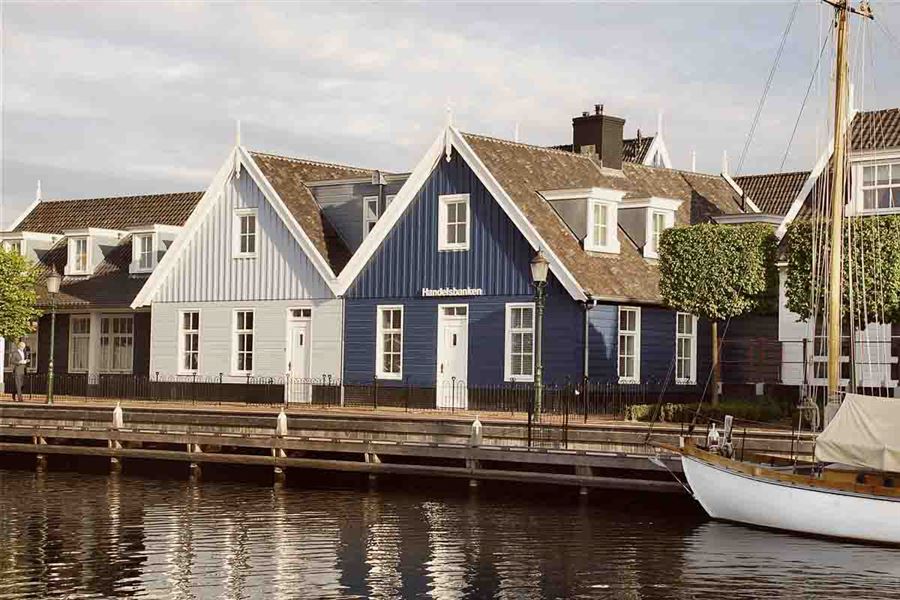
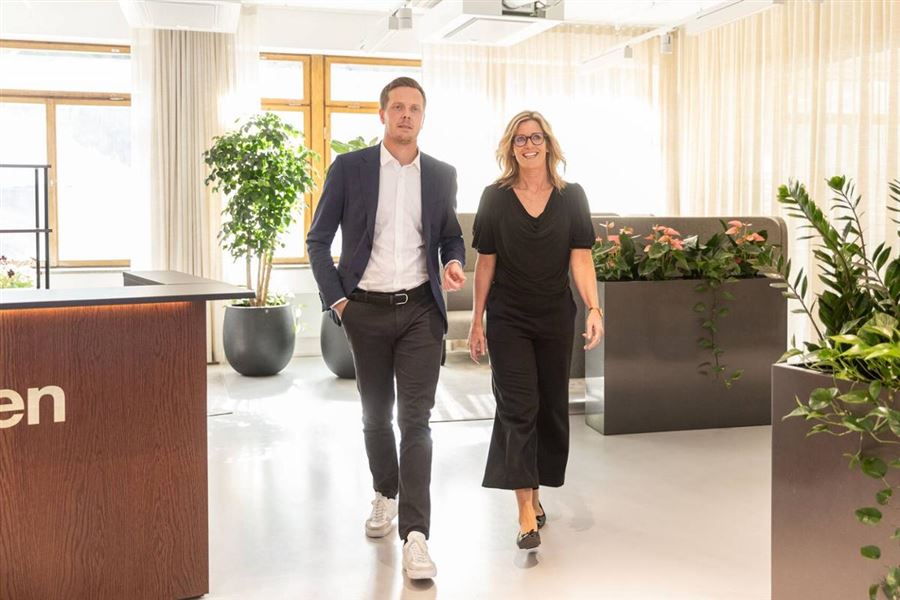
Customer meetings become seamless across branches, telephone meetings and digital channels. Advisory services are personal, decisions are made locally and the Bank’s mission is the same as it was in 1871 – to convert savings into lending, on the basis of trust.
Digitalisation with the customer at the centre
After 2015 there is a marked shift in the pace of development. Digitalisation takes centre stage and customers begin to have more demanding expectations around availability and security. Handelsbanken develops apps and secure identification solutions, without compromising on its core focus areas of personal relationships and decisions made close to the customer. The branches continue to act as a hub for advisory services and complex banking needs, while everyday banking tasks take place more and more online.
At the same time, regulatory frameworks become stricter. Requirements relating to capital, liquidity and risk control are all tightened, and the Bank chooses to position itself well above the minimum levels. Its strong balance sheet and decentralised model make it possible to meet the new requirements without losing focus on customers’ daily needs.
Sustainability is integrated into the business
Sustainability takes on more significance for ever more customers. Handelsbanken integrates sustainability aspects into its lending, savings and investments. The main concerns tend to be climate goals, energy efficiency and long-term responsibility. The Bank develops products and advisory services that support the transition, but does so in its own Handelsbanken way, focusing primarily on the customers’ needs.
In many ways, the Bank chooses its own path and focuses its community engagement on disseminating knowledge about what it knows best – finance and economics. This is partly achieved by supporting independent journalism through the EFN media institution, and partly by providing multi-year support to economic research. This proves to be much more appreciated by the Bank’s customers than traditional mass-market advertising.
The branch network is adapted to new customer behavioural trends. Physical customer meetings remain a cornerstone of the Bank’s approach, but are now concentrated to the locations with the highest demand. Coinciding with this, local expertise and decision-making power are strengthened even further, in order to meet growing customer demand for ever more specialised personal advisory services. Digital channels are also improved, making customer meetings entirely seamless, regardless of the initial form of contact. Personal meetings – whether the customer chooses to meet digitally or physically – are not seen as old fashioned. Quite the opposite, in fact This is Handelsbanken’s response to a trend whereby banks and financial products seem to be becoming more and more indiscernible from each other.
A carefully chosen path – stability over time
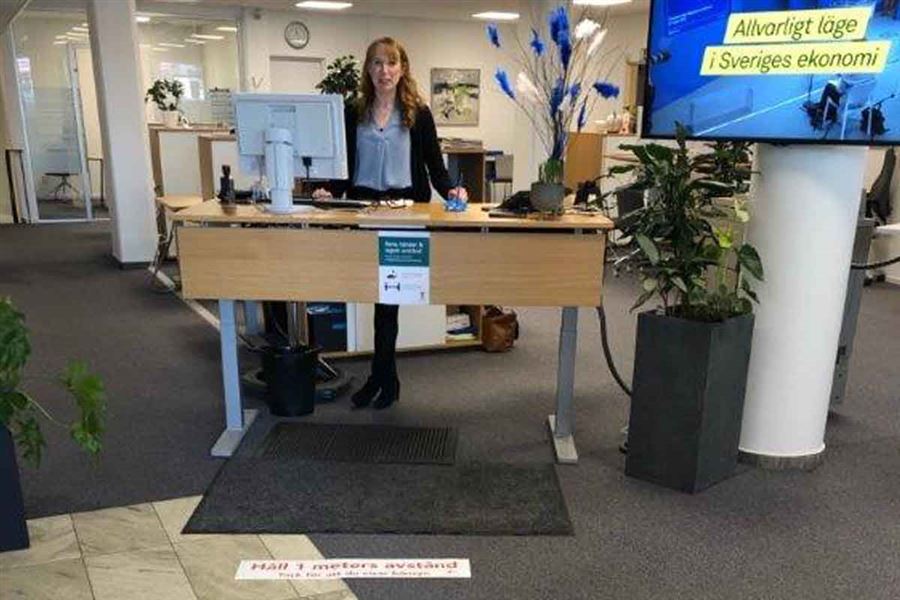
The outbreak of the pandemic in 2020 puts the model to the test. Travel and meetings are restricted, but the Bank keeps its day-to-day business running and the branches stay open. Digital solutions and local decisions mean that customers can be sure of support, even during uncertain times. Credit losses stay low and robust capital reserves provide reassurance – further confirmation that Handelsbanken’s model works when the world seems shaky.
The Bank’s chooses not to be the same as all the others, but to be reliable over time. Stability, local engagement and a humanistic perspective inform its decisions. These provide a solid base from which to head into the future together with our customers.